
 Click to enlarge
 Provider runtime overview
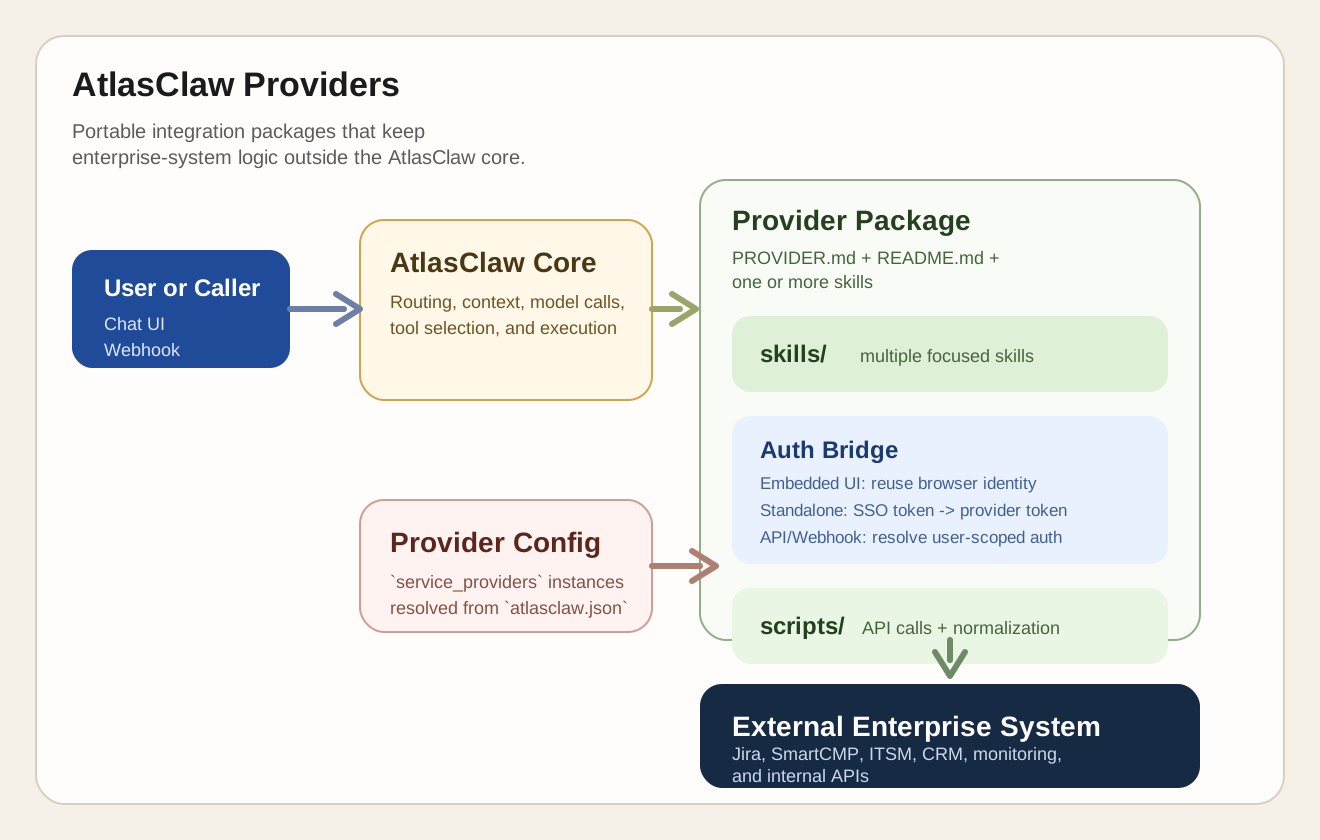
The provider keeps auth, skills, scripts, and downstream execution inside one explicit boundary.
Providers are AtlasClaw's integration boundary. Each provider packages the target-system contract, one or more skills, implementation scripts, and the context needed to keep the integration understandable.
This diagram shows how a provider carries auth, skills, scripts, and downstream system execution.
Click to enlarge The provider keeps auth, skills, scripts, and downstream execution inside one explicit boundary.
The provider keeps auth, skills, scripts, and downstream execution inside one explicit boundary.
providers/<provider-name>/
├── PROVIDER.md
├── README.md
└── skills/
    ├── <skill-a>/
    │   ├── SKILL.md
    │   ├── scripts/
    │   └── references/
└── <skill-b>/Provider prefixes prevent skill collisions across systems.
{
  "providers_root": "../atlasclaw-providers/providers",
  "webhook": {
    "systems": [
      {
        "allowed_skills": ["jira:jira-issue"]
      }
    ]
  }
}